
Isolation, Loneliness and Mental Health
It is quite normal to experience periods of loneliness throughout our lives. As social beings, we are designed to be in relationship with each other, and such experiences of separation can be profoundly troubling- impacting our mental health. Not all who live alone may be lonely- yet there are heightened risks we should all be aware of, in our church communities and beyond. For those of us with ongoing mental health challenges, if we are not able to access the right professional or social support we can see our wellbeing decline. Whether we experience mental health challenges or not- many of us are vulnerable to becoming lonely when our circumstances change. Major life transitions such as bereavement, retirement, children moving on, or the end of a relationship can prove testing.
|
Churches can play an important part in being aware of when people may be most impacted. It is of huge benefit to be part of a community where we feel valued and missed when we are not there. A rich experience of Christian community can also help us exercise our gifts and help us connect with meaning and purpose. Equally, the tools of the Christian life of prayer- alone or with others, biblical reflection, study and meditation can connect us to God also offer ways to experience a richer existence, even when we are alone.
|

|
Mental health and you
We all have mental health, regardless of whether we are experiencing difficulties. Throughout our lives, we will have experiences where we are flourishing, languishing or may be somewhere in between. This is true whether we have a diagnosis or not. For example. many have experienced greater difficulties in managing mental health during the pandemic. For the first time, some are recognising that lack of access to the normal things of life is having a significant impact on maintaining well being. For many of us, our mood may change day to day, but this will not prevent us from doing all we would normally expect. Given this, we can sometimes be unaware of the steps we need to take in order to support ourselves, particularly in a time where we have experienced loss and bereavement.
Sanctuary’ s Faith Grief and Covid 19 is a free resource which offers insight into how we can support ourselves and others during a period of grief and loss. It is available here:
Sanctuary’ s Faith Grief and Covid 19 is a free resource which offers insight into how we can support ourselves and others during a period of grief and loss. It is available here:
Looking out for others
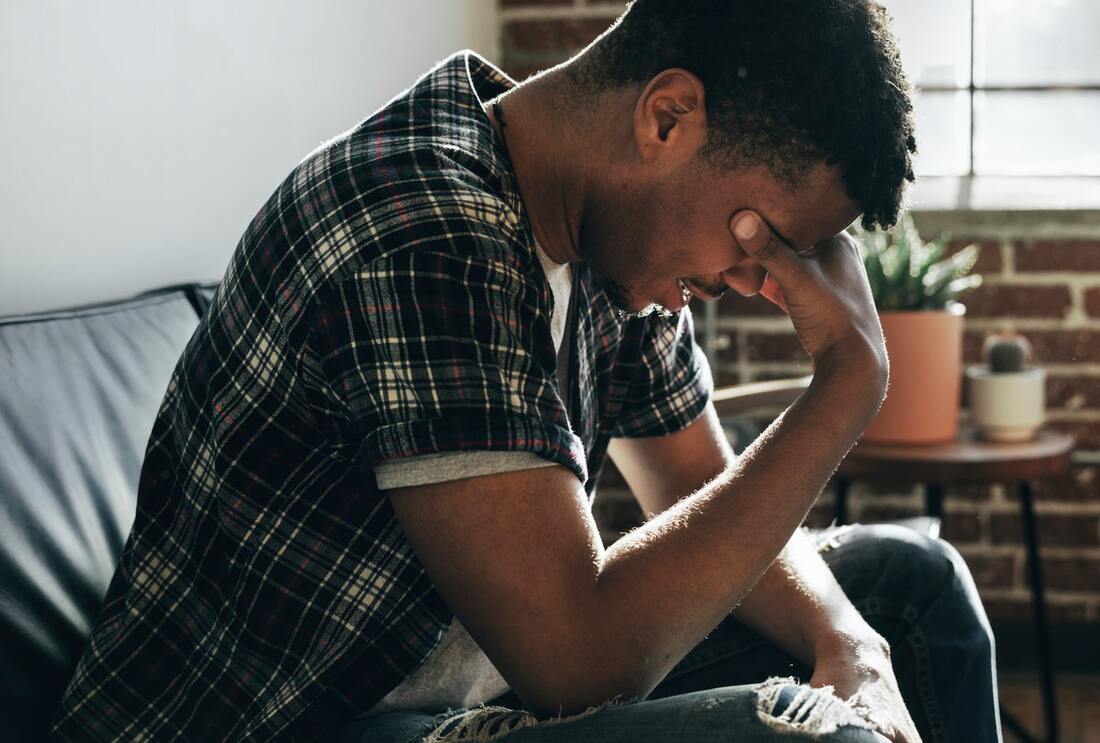
Periods such as this can be particularly difficult for those experiencing ongoing mental health challenges. Given that statutory services may be overstretched, some may be struggling to find the help they need. Equally, many people who have a well established routine which has been heavily disrupted and result in the problem of not being able to do what they already do- meeting in groups for example, or face to face support.
|
When experiencing acute mental distress it is vital that those in difficulty receive professional support. However, contact and friendship can be vitally important to many at any stage in recovery. Some people may find it hard to respond when in difficulty, so understanding the nature of how each person might be impacted will help. The majority of people who experience a difficulty will be living with anxiety or depression and a combination of both.
|
It is important that we develop our understanding so we can appropriately support those who may be finding life particularly hard and isolating at this time.
The Sanctuary Course is a free 8 week course which develops this understanding by combining theological insights with psychology and personal stories to help each church build awareness and understanding of mental health. It is available here:
The Sanctuary Course is a free 8 week course which develops this understanding by combining theological insights with psychology and personal stories to help each church build awareness and understanding of mental health. It is available here:

|

|
|

|
|
© COPYRIGHT 2024. ALL RIGHTS RESERVED.
|